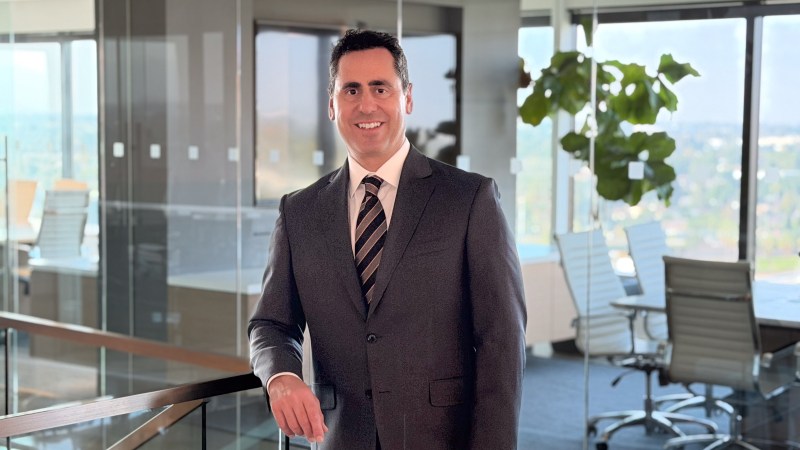
When Greg Shaia was in college, the dot-com era was booming, but it wasn’t Shaia’s speed. He wanted something tangible, something he could sketch out on paper.
“I’ve been drawn to housing from a young age, even just driving around communities. Being part of something that helps shape neighborhoods and has a lasting impact on people’s lives, where they put down roots and communities grow, always resonated with me,” he says now as Brookfield Residential’s U.S. housing president.
“I’ve also always loved architecture and houses, so this industry felt like a natural fit. It allows me to give back to communities in a very real, tangible way.”
Now with two decades in the industry, Shaia navigates the home building ebb and flow in over 50 communities across more than 40 cities. Shaia shares more about what he’s seeing across Brookfield Residential’s markets and products below.
What trends are you seeing right now as we head into 2026?
We’re continuing to see a focus on flexibility and everyday usability, designing homes around how people are actually living today. At the same time, affordability remains central. That drives smarter design choices and more efficient use of space so we can deliver the best possible product while keeping affordability in mind.
We’re also using more data and proven processes to deliver homes more consistently across markets. Understanding which spaces matter most to people is becoming increasingly critical.
How have buyer preferences changed in recent years, especially post-pandemic?
We’re still very much in a post-COVID mindset. Buyers are looking for homes that feel practical, comfortable, and adaptable rather than overly formal. Lifestyle matters more than ever, and that includes outdoor spaces.
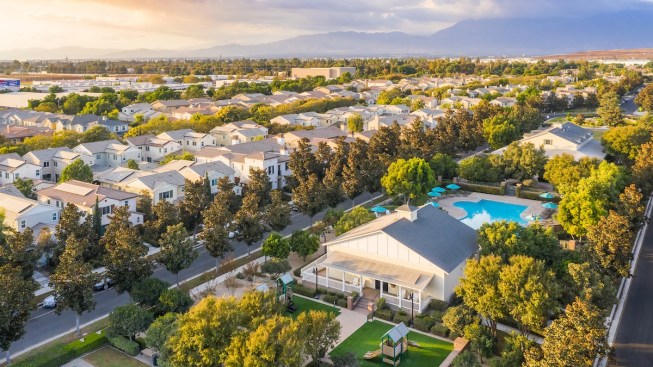
At Brookfield, our master-planned communities really deliver on what buyers want, strong amenities and well-planned neighborhoods with connectivity, not just within the home but across the entire community. That’s where we believe we set ourselves apart.
Energy efficiency and intuitive technology are also major trends. Homes are getting smarter, and people are increasingly drawn to that. There’s a lot happening in the industry as we work to keep improving in those areas.
Do you see these trends as cyclical, or are they here to stay?
I think many of them are structural rather than cyclical. Some trends like the move away from overly formal spaces may come and go, but things like efficiency, flexibility, and comfort are here to stay.
Work-from-home definitely changed how people think about space. Even as more people return to offices, there’s still a desire to live the way they experienced during that time. Well-designed communities with strong amenities and connectivity are also long-term priorities, not temporary trends.
What amenities are most popular right now?
Outdoor amenities continue to be very important. Pickleball is a huge trend and has really taken over traditional tennis and basketball courts. Outdoor pool spaces are always popular, and fitness and wellness are top of mind for everyone.
Trail systems and walkability are also key. People want to be connected to a healthier lifestyle, both within their community and beyond it.
How are these trends influencing floor plans and product design?
It’s less about sudden change and more about continued emphasis. We’re prioritizing multipurpose spaces that can evolve as household needs change. Strong indoor-outdoor connections and wellness-focused design are very important.
We’re also refining our proven floor plans, taking what works, what’s most popular, and expanding on it. Over the last 12 to 24 months, it’s really been about building on what we learned coming out of the pandemic years rather than reinventing everything.
Which markets are showing the strongest demand right now?
It’s very community-specific, and different builders will give you different answers. Generally, markets with solid employment fundamentals and steady population growth continue to perform well.
We’ve done particularly well in Southern California over the past year. The Carolinas, especially Raleigh and Charleston, remain strong. Houston has held up well compared to other Texas markets, and we’re seeing exciting opportunities there. Affordability combined with strong fundamentals is key.
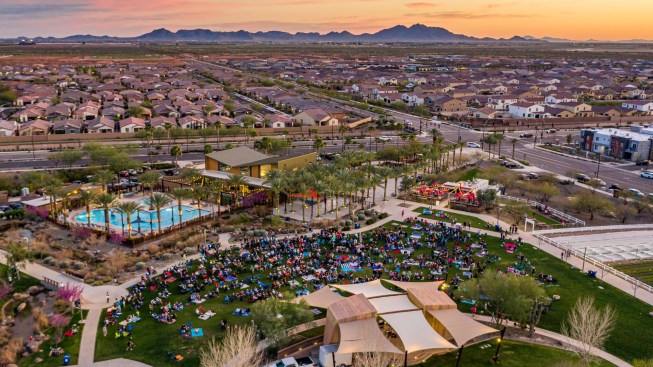
Eastmark in Mesa, Arizona.
With some markets softer right now, what levers are you pulling to maintain momentum?
We recognize it’s not all rosy. Last year was difficult across the board, and markets are generally softer. Interest rates have a huge impact on affordability and buyer sentiment.
The biggest lever right now is forward commitments to buy down interest rates. Buyers are focused on monthly payment, and this has been the most effective tool to help them move forward. It’s extremely costly and puts pressure on margins, but it’s what works right now.
Beyond that, it’s about clear communication and understanding what’s most important to each buyer. It’s not one-size-fits-all. We also emphasize the long-term value of new homes and well-planned communities. You’re not married to your interest rate, but you are married to your home.
Operationally, what’s been most effective in improving cycle times and efficiency?
While the past year hasn’t been fun on the sales side, construction efficiency has improved dramatically compared to the COVID years. Supply chain issues have eased, and labor availability has improved as the market softened.
With fewer material shortages and a stronger labor pool, cycle times have naturally improved. At Brookfield, we focus on sharing best practices across markets, using planning tools and data to improve scheduling and coordination with trade partners. Quality and customer experience remain the top priorities, and we’re now delivering those with improved timelines as well.
What does the current balance look like between quick move-ins and dirt builds?
We took a balanced approach and pulled back on starts in the middle of last year. Every division and community is different. Some are 100% dirt builds with full personalization, while others like parts of Texas are closer to 80% to 90% spec homes.
As a rule of thumb, we don’t want more than about five months of supply. Across our total work-in-progress, we’re comfortable around 65% spec and don’t want to go much higher. Flexibility by community is necessary.
Looking ahead, what concerns you most over the next few years?
Consumer sentiment is number one. If people feel uncertain due to economic conditions or global events, they pause big purchases like homes. Interest rate stability is also critical, even stabilizing rates would help.
Overall housing supply matters as well. Builders have done a good job not flooding the market in the back half of 2025, and discipline will be important to avoid further price erosion.
Beyond concerns, I’m also thinking about innovation. Our industry is behind on technology, and I’m curious to see how advances in design, construction, and delivery improve the overall housing experience.
On the positive side, what gives you confidence and excitement about the future?
Long-term housing demand remains strong due to demographics and household formation. Supply is still relatively low compared to historical highs, and newer generations are forming households.
For Brookfield specifically, our disciplined approach to land acquisition and community design positions us well. We’ve long been known as a great land company, and we’re focused on being equally respected as a great housing company through quality, customer experience, and thoughtful growth. We’re excited about what’s ahead.
Do you have a favorite Brookfield community?
That’s a tough one. On a national platform, it’s really fun to see how different markets operate, but I prefer to look at how we perform relative to competitors within each specific market rather than ranking communities against each other.
We’re entrepreneurial and opportunistic in how we approach each market, we’re not one-size-fits-all. We focus on doing what makes sense for the real estate in each location while staying disciplined and focused on quality. That flexibility is what makes Brookfield unique.