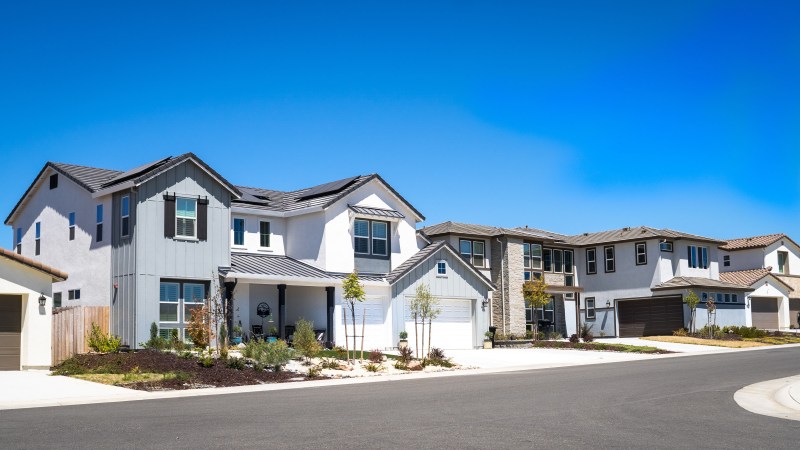
Weekly traffic data from subdivisions across key Western and Sunbelt markets shows a clear message as of the week beginning Feb. 1: in-person shopper visits per community are structurally lower than several years ago, but they’re not collapsing—and in some cases, they’re stabilizing or even edging higher off late 2025 lows.
The following data stems from the four-week rolling averages from Zonda’s proprietary Weekly Sales and Traffic report, which covers various markets across the country. While not all shoppers tour in person—more prospects are starting their journey online, via virtual tours, or through appointment-only interactions—this on-site traffic still offers a useful read on urgency, engagement, and the “top of funnel” for new-home demand.
Year Over Year: Most Markets Down, One Quiet Bright Spot
Comparing the current four-week average beginning Feb. 1, with the same period a year ago, most metros are seeing fewer shoppers per subdivision. Some key year-over-year observations:
- Las Vegas and suburban Maryland have seen the steepest slowing, with traffic down approximately 22% in both markets.
- The two Colorado markets tracked, Denver and Colorado Springs, trailed in losses, with traffic down roughly 20%. Phoenix was not far behind with an 18% year-over-year dip in traffic.
- Southern California has been a bright spot, with traffic bumping up 5% across the region. San Diego wasn’t a huge contributor to these gains, though, as its traffic remained essentially flat compared to last year (up less than 1%).
- Northern Virginia was another area that bucked the slowing trend: its traffic grew by roughly 2%.
Longer Lens: 2019 Is a High Bar
The sharper question is how today’s traffic compares with the pre-COVID cycle. On that score, the “since 2019” line tells a more sobering story: typical traffic per subdivision is down over 40% across all markets, with the average decline coming in at approximately 54%.
That said, for industry professionals, this matters less as a “doom” signal and more as a reminder that the sales machine now runs differently. Higher mortgage rates, a more digital-first shopper, and appointment-based sales models all mean that fewer, better qualified visitors may be doing the work that higher “walk-in” traffic did in the last cycle.
Looking Forward
Note here that it’s also important not to freeze-frame at the lowest point. Across several markets, traffic troughed late in 2025 and has been grinding higher into early 2026. For builders and developers, that pattern could argue for cautious optimism as we enter the spring selling season.
The insights in this article were taken from Zonda’s more in-depth Weekly Sales and Traffic report.