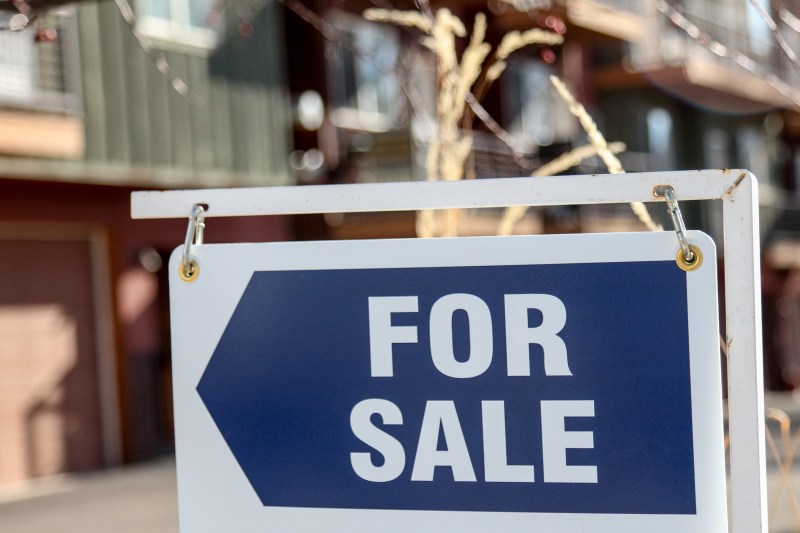
According to McKinsey & Company, individuals with higher-income jobs are more likely to be working from home – a trend only exacerbated by the pandemic and its consequences, says Ali Wolf, chief economist at Zonda, in a guest essay for The New York Times. As a result, many workers no longer tethered to offices in expensive cities are moving to metros where their salaries can go further on the purchase of a home – creating a “migration mania” in a number of secondary markets.
But this is not an equal-opportunity boom. The housing rebound has been fueled by buyers whose wealth allowed them to win bidding wars, often with a high down payment and a bid over asking price. Those living on local incomes, which are often modest compared with those of relocating newcomers, are losing the ability to buy a home as competition grows and prices rise.
In the long run, this means some Americans will be able to build wealth in their homes, leaving the rest behind.