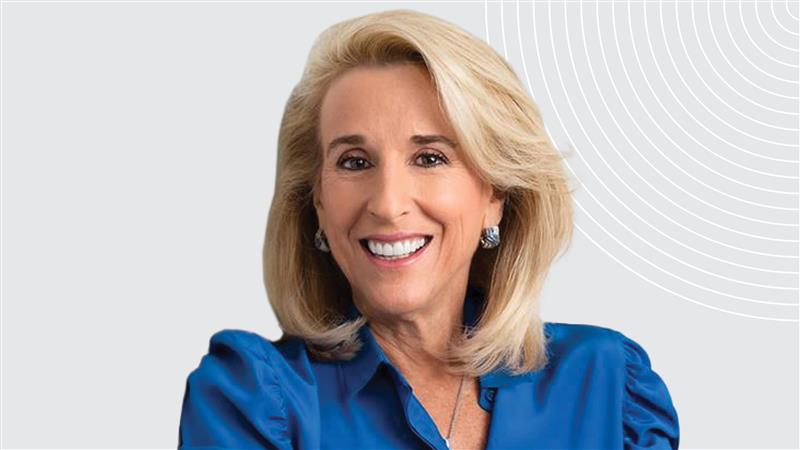
As one of the few women leading a top home builder in the United States, Sheryl Palmer, chairman and CEO of Taylor Morrison, has helped reshape the narrative around women in construction. In an industry long defined by male-dominated jobsites and boardrooms, Palmer has not only risen to the top but has also championed meaningful change across the workforce, from field roles to the C-suite.
Under her leadership, the No. 8 home builder has dramatically expanded female representation across construction and corporate roles, earning national recognition, including a spot on Fortune’s 2025 Best Workplaces for Women list. As chairman of the Building Talent Foundation, she is also helping address the broader labor shortage by strengthening pathways into residential construction for women and underrepresented groups.
Palmer shares how her personal journey as a female CEO has shaped her leadership philosophy, the progress she’s seeing in gender diversity across home building, and why inclusive leadership is not just a cultural priority but a business necessity for the future of the housing industry.
How has your personal experience as a female CEO shaped your perspective on what it takes for women to succeed and lead in this industry?
I think in any career, it is so important to stay true to yourself and not change who you are to fit in. While the home building industry continues to evolve and diversify, it has traditionally been a male-dominated workforce where it’s not uncommon to be the only woman in the room. Finding the conviction to stand by your beliefs and maintaining your integrity is essential. I also found fulfillment in trusting my instincts and forging strong relationships in everything I do.
Construction and home building have traditionally been male-dominated. What progress have you seen in gender diversity in recent years, and where does the industry still fall short?
While home building has traditionally been a male-dominated industry, Taylor Morrison has made immense progress in reshaping that narrative. We’re seeing more women pursue careers in construction, and it’s especially encouraging to see our workforce become more reflective of the diverse communities we build.
In the past decade, Taylor Morrison has seen an 887% increase in women who currently hold construction roles. In addition, women make up 44% of our overall workforce–more than four times the national construction industry average of 11%.
What specific strategies has Taylor Morrison used to attract, retain, and advance women across roles?
Over the years, we have expanded our recruitment efforts to reach a broader, more diverse pool of candidates. As a result, women are now represented across a wide variety of roles at Taylor Morrison, from construction teams and middle management to division presidents and our board of directors.
We support programs that engage diverse talent pools, including those with experience beyond home building who bring fresh perspectives. We also offer leadership development programs designed for specific roles and conducted in partnership with outside consultants. Last year, Taylor Morrison was recognized for the culture we’ve built with inclusion on Fortune’s 2025 Best Workplaces for Women list.
How important is it for women to see leaders like you at the helm, and how can companies better showcase diverse role models in construction?
Representation matters and when people can see themselves in leadership and key roles, it helps show what’s possible. At Taylor Morrison, we’re committed to creating a culture where everyone has the opportunity to grow and flourish. A range of experiences and perspectives, including the innate strengths both men and women bring, makes our teams stronger and better positioned to serve our diverse customer base.
How do inclusive leadership teams positively impact innovation, customer trust, and business performance in residential home building?
Inclusive leadership is central to cultivating workplaces where innovation, customer trust, and business performance thrive. When leadership teams prioritize building supportive and collaborative teams, it benefits customers, team members, and stakeholders alike.
Field roles are often overlooked in diversity conversations. How can the industry create more supportive environments for women working on job sites and in trade careers?
Field roles are the backbone of our industry and it’s crucial that diversity conversations extend beyond leadership and office roles to include women working on our job sites. Building an inclusive company culture where different perspectives are respected and open conversations are encouraged can help create a more supportive environment. When women see others thriving in field positions, from superintendent to cadence manager to construction administrator, it helps them envision rewarding career paths for themselves.
Early exposure to construction careers through partnerships with local schools and industry organizations can also help build stronger pipelines and introduce opportunities individuals may not have otherwise considered.
As chairman of the Building Talent Foundation, how do you see gender diversity playing a role in solving the broader construction labor shortage?
The Building Talent Foundation has done an incredible job at creating a sustainable residential construction workforce through education training and career progression of young people and individuals from underrepresented groups. Introducing more women to construction careers has been a key part of that work. Expanding opportunities for women strengthens our industry at large with broader perspectives, experiences, and talent.
What is your current pulse on the housing industry right now?
In today’s challenging market environment, affordability concerns, fluctuating interest rates, and shifting policy landscapes all impact consumer confidence. While we are not immune to the headwinds facing our industry and following a year characterized by softer consumer confidence, we feel that our organization’s resilient performance reflects the effectiveness of our diversified operating model and broad consumer reach across our national footprint of well-located communities. As we look forward, I expect 2026 to be another solid year for Taylor Morrison focused on setting the stage for a reacceleration of growth in 2027 and beyond.