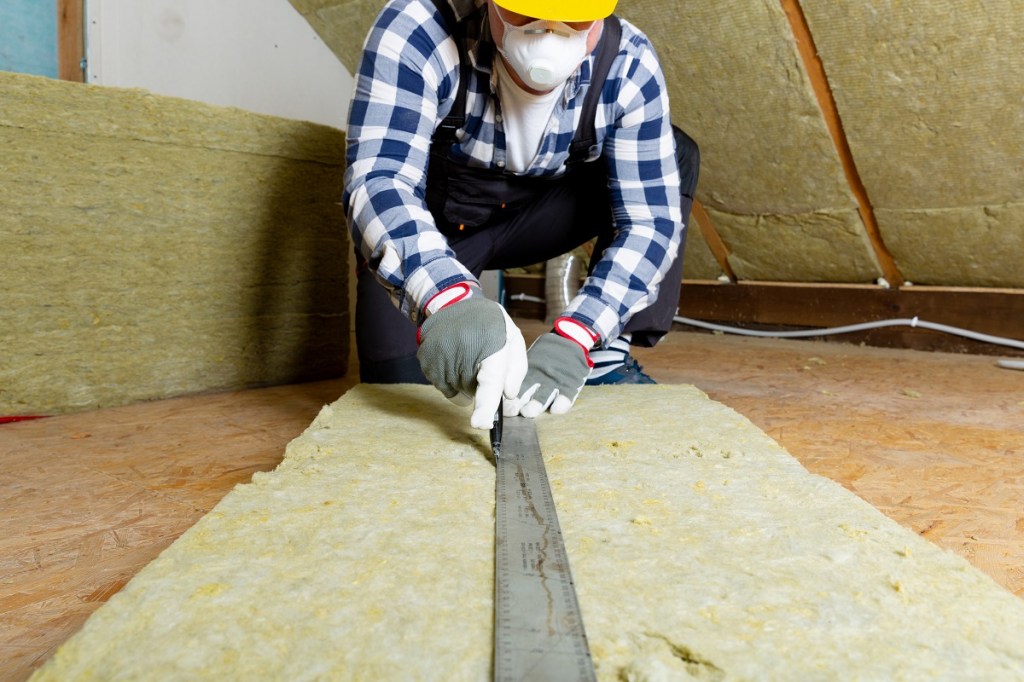
Utah’s highly disputed energy-efficient building code was approved by Utah Building Code Commission this week and is now headed to the Legislature’s Business, Economic Development, and Labor Appropriations Subcommittee for approval. The code would require new construction to install more ceiling and wall insulation, strategically place doors and windows in areas that retain heat, and update HVAC and duct systems to reduce energy costs.
A study conducted by Pacific Northwest National Laboratory projected that if the proposal went into effect, Utah would save $2.2 million in energy costs statewide and more than $300 for the average homeowner during the first year of implementation.
The study also said it would reduce CO2 emissions by more than 18,000 metric tons in the first year alone. Over a 30-year period, the laboratory said the IECC’s proposal would drop CO2 emissions by more than 9 million metric tons.
For Emerson, there will be long-term consequences if the commission doesn’t give IECC’s recommendations the green light.
“If buildings constructed today are built using older and out of date and not the most recent practices for energy conservation, then you’ll see across the state a higher than necessary level of energy consumption,” he said. “And this can result in excessive demand on our utility system.”