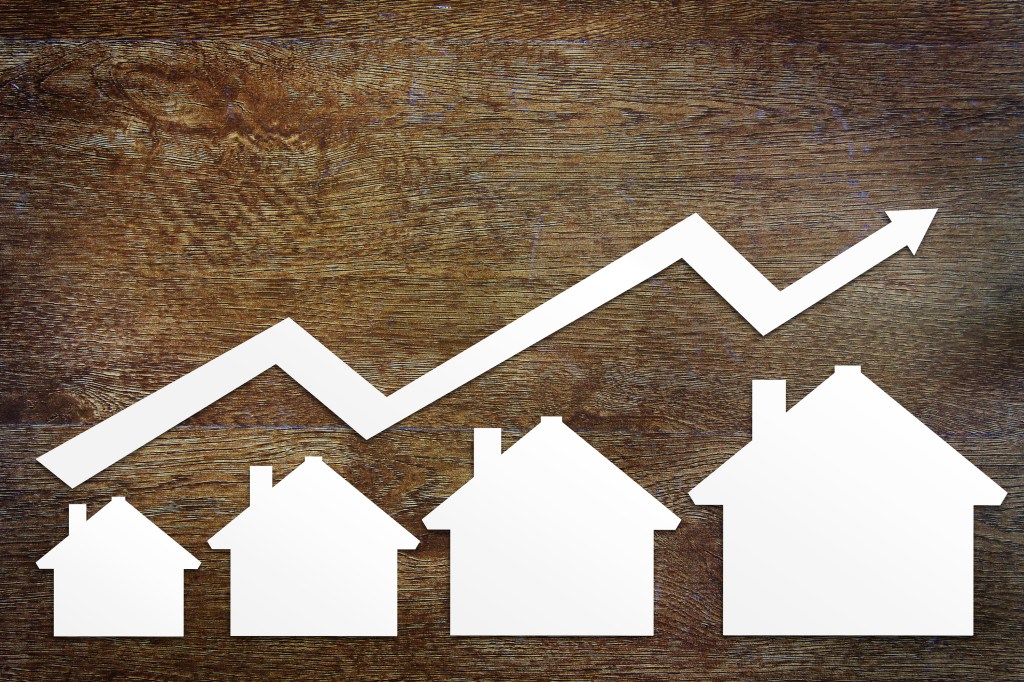
After a period of stabilization, lumber prices are soaring once again and negatively impacting housing affordability. Over the past four months, lumber prices have nearly tripled and caused the price of an average new single-family home to increase by more than $18,600, according to estimates by the NAHB. Over the same period, the price hike has added nearly $7,300 to the market value of the average new multifamily home, which translates into $67 a month more for renting a new apartment.
The unprecedented price volatility in the lumber market dates back to April 2020 when the COVID-19 pandemic took hold and sawmills curtailed production in anticipation of reduced demand. When it became clear in the ensuing months that housing weathered the storm much better than predicted and demand remained strong, lumber mills did not ramp up production accordingly.
The slow reaction by sawmills, combined with massive uptick in demand from do-it-yourselfers and big box retailers during the pandemic resulted in lumber prices peaking at a record-shattering $1,500 per thousand board feet in May 2021, before beginning a gradual decline through late August.
This most recent lumber price upsurge is due to a number of factors, including:
- Ongoing supply chain disruptions
- A doubling of tariffs on Canadian lumber imports into the U.S. market that increased price volatility
- An unusually strong summer wildfire season in the western United States and British Columbia