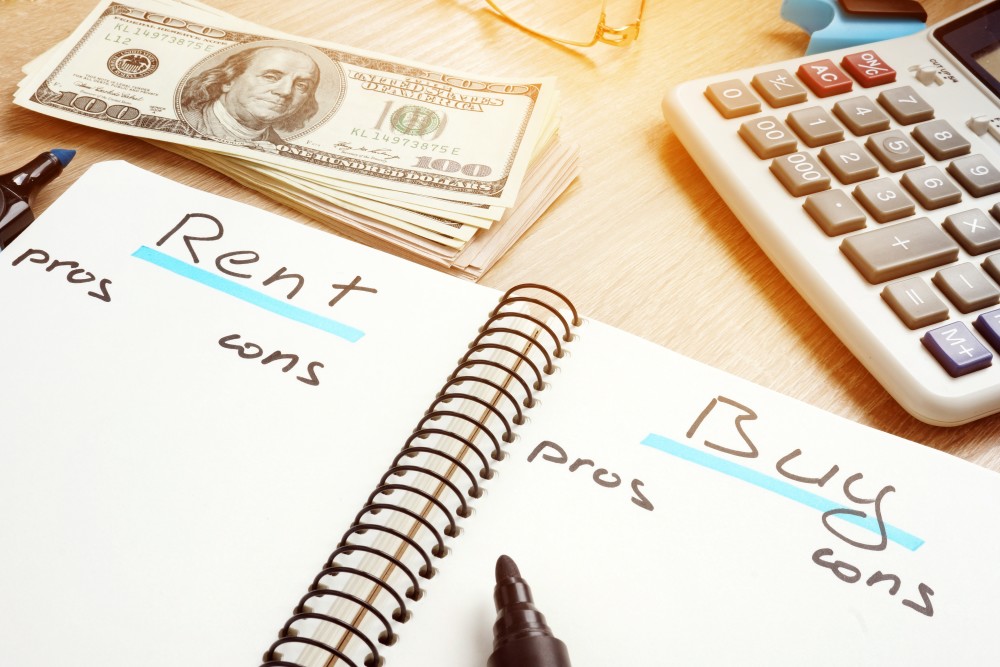
For decades, the path to homeownership was framed as both financially prudent and socially expected. Today, that path looks very different. Elevated mortgage rates, faster-than-normal home price appreciation, shifting supply conditions, and a more sophisticated rental ecosystem have pushed households to reassess the once-automatic transition from renter to owner. The result is a growing cohort of would-be buyers asking a question that carries new weight: Does owning still pencil out?
A Premium That Isn’t Letting Go
The fundamental tradeoff between renting and owning has always existed, but what sets the current market apart is the persistence of the ownership premium—how much more it costs per month to own instead of rent. Mortgage rates remain nearly three times higher than their pandemic lows, and home price pressures are uneven but still elevated in many metros. As a result, the monthly cost gap has widened in ways that challenge long-standing assumptions.
Historically, swings in the premium tended to be cyclical. During the mid-2000s boom, ownership costs surged well ahead of rents. Through the 2010s recovery, the premium compressed and stabilized. And during the early pandemic, ultra-low mortgage rates briefly made owning cheaper than renting, flipping the math for a short window.
That anomaly has long since closed. While moderating rates and softer price growth pulled the national premium down to roughly 31% in the third quarter of 2025, it remains significantly above the norms of the past decade. For many households, this improvement is real but relative—and the buy‑versus‑rent decision today is less about long‑term aspiration and more about the immediate feasibility of the monthly payment. Importantly, the premium noted above reflects an apples‑to‑apples comparison: an estimated all‑in monthly ownership payment assuming 5% down, inclusive of taxes, homeowners insurance, and mortgage insurance, compared with Class A effective rents.
The Builder Impact: Incentives That Move the Needle
One of the most consequential developments for builders is the increasing role of financing incentives in reshaping monthly payment comparisons. A realistic rate buydown—such as the widely offered 4.9% incentive cited in Zonda’s January Builder Sentiment Survey—can materially narrow the rent-versus-own gap. In many cases, incentives trim $400 to $500 per month off the ownership delta, enough to bring marginal buyers back into the conversation.
Yet even with incentives, monthly payments often remain higher than comparable Class A rents. That reality makes it more important than ever for builders to demonstrate value through product, location, and long-term financial framing, especially as renters become increasingly sophisticated in evaluating their options.
The insights in this article were taken from more in-depth research reports published in Zonda’s National Outlook subscription.