Homes are required to do more in 2026, including supporting health, boosting mood, accommodating changing family dynamics, and enhancing livability. As the American Society of Interior Designers (ASID) 2026 Trends Outlook report reveals, interior design trends are shifting to anticipate these needs, with a focus on comfort, functionality, and feeling good at home.
Here are some of the most notable trends to watch for in 2026.
Comfort-First Design
It’s no longer enough for a space to look good; it has to feel good, both physically and emotionally. Comfort is now being treated as a core design element rather than a byproduct of aesthetics. This is evident in kitchen design, where comfort is equal to aesthetic tone, and in broader residential interiors that prioritize functionality, livability, and multisensory design.
Nostalgia Drives Design and Decor Choices
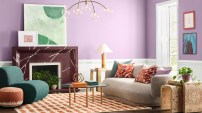
Homeowners lean into sentimental choices as they look to deepen emotional connections with living spaces. Color trends reflect familiar favorites, while upholstery trends include tailored details, like pinstripes, herringbone, and contrast piping–a nod to the past.
Antiques, family heirlooms, and thrifted buys are popular additions to modern homes. Gen Z, in particular, places value on vintage pieces and decor, both as a badge of authenticity and to address sustainability. Consumers are choosing design longevity over fast consumption, looking to craftsmanship and quality instead.
Health and Wellness Are No Longer an Add-On
Health and wellness have been trending for years, but in 2026, they are at the core of design. Longevity is the goal, and consumers increasingly understand how the built environment can influence health outcomes.
Color is now a tool for emotional and cognitive regulation, rather than simply a decorative element. At the same time, invisible systems that enhance healthy living, including enhanced air and water quality and low-tox materials, are becoming baseline expectations in residential design.
Generational Preferences Shape Home Design
Gen Z prioritizes flexible, sustainable spaces that adapt to changing household needs and reflect value-conscious, eco-minded choices.
Time-pressed Gen X values home design that is practical and durable. Low-maintenance, timeless style is a must, and a dedicated work-from-home space is essential for work-life-family balance.
Millennials face high housing costs and student debt. This cohort values experiences over material accumulation, influencing multisensory interiors, and emphasizes health and wellness.
Looking to redefine aging in place, Boomers are focused on safe, stylish living spaces that support togetherness. They are looking for homes and communities that are designed with flexibility, dignity, and connection in mind.
Tension Between Conservation and Sustainability
Smart technology, AI-enabled devices, and connected homes are intended to improve energy efficiency, but they are also driving higher energy demand at a pace that outstrips the evolution of the existing energy grid. In response, designers are incorporating energy literacy into home design, anticipating future demand while preserving long-term sustainability gains. The challenge is balancing sought-after tech with conservation and responsible energy use.
Smaller, but Smarter, Living
Homeowners want smaller homes, but they don’t want to give up usable space. As a result, design is shifting toward thoughtful, flexible, and accessible layouts where the quality of space matters more than square footage.
Outdoor living areas, particularly spaces that strengthen the indoor-outdoor connection, have become non-negotiable, allowing homeowners to extend usable living space without increasing the home’s footprint.
Families’ Dynamics Are Changing, and So Are Their Homes
The nuclear family household is no longer typical, with single-parent, multigenerational, and non-traditional households now reflecting the majority of homeowners. Housing is shifting to support these new demographics and how they want to live, rather than being designed around the ideals of previous generations. The emphasis is on adaptable, inclusive spaces that offer privacy while still fostering connection.
Expressive Metallic Finishes
Metallic finishes are appearing in more sculptural, dynamic forms, designed to transform with light conditions, from reflective and lustrous to iridescent sheens. Chrome and nickel are making a comeback, while metallics more broadly are being used to create bespoke focal points. This is part of the trend towards textural elements and layering, an important tool in creating a warm and cozy home.