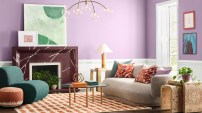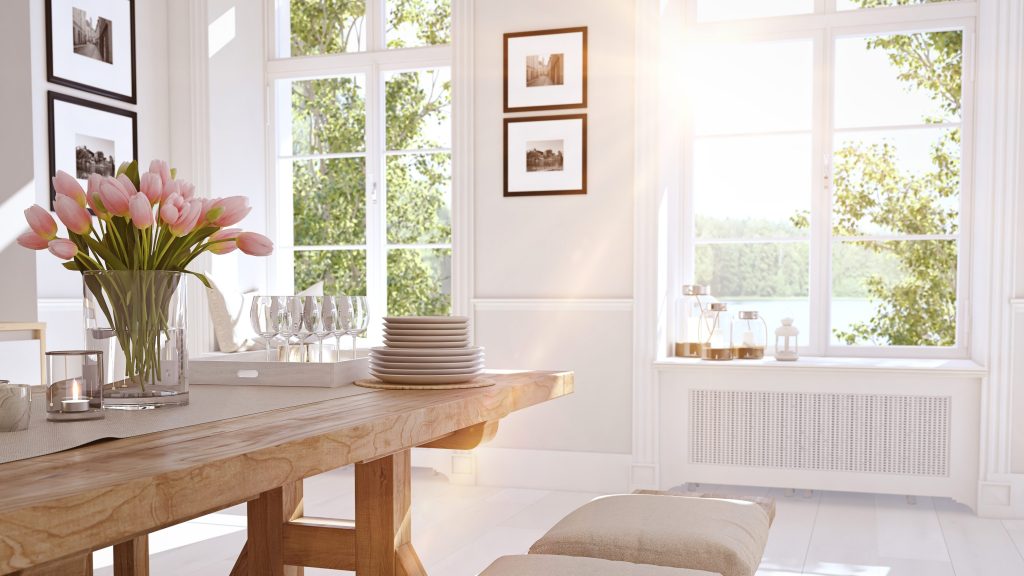
As spring blooms, 2026 new-home design trends are taking root. This season, it is less about chasing what’s new, and more about what works for how buyers live. Many of the trend predictions from earlier this year are starting to come into focus, revealing a shift toward spaces that feel grounded and look beautiful.
1. Flex Rooms, Right Outside the Bedroom
Flex rooms are among the most sought-after floor plan features in new builds. Built-in versatility is even more meaningful as home sizes trend downwards. Homeowners have discovered the functional value of the flex room, so these multipurpose rooms are moving to more prominent locations, like outside bedrooms.
These rooms reflect a bigger shift toward flexibility and adaptability, allowing spaces to evolve as routines change and are perfect for homework, quick workouts, getting ready, or quiet work calls.
2. Sensory‑Rich Spaces for Everyday Calm
With wellness at home as a priority, design has shifted beyond aesthetics to create experiential spaces. Tactile elements that deliver physical comfort are trending, along with an emphasis on natural light, enhanced acoustic features, and even scent.
Designers are layering these sensory elements for small, feel-good moments. Multisensory spaces were named one of the top trends to watch in 2026 by the American Society of Interior Designers.
3. Hydrotherapy and Recovery‑Focused Bathroom Design
Spa-like bathrooms are a must-have feature for homeowners in 2026, and hydrotherapy is emerging as a core element, with steam showers, body jets, and cold plunge pools. The modern bathroom is therapeutic, supporting everything from athletic recovery to stress relief.
Larger walk-in showers, featuring steam options, built-in benches, handheld sprayers, adjustable jets, and niche storage, elevate daily bathing routines into healing rituals. Furniture-style cold plunge pools are a stylish addition.
4. Warm Wood Takes Over Kitchen Cabinetry
Bold color made a comeback in kitchens last year, but in 2026 it’s all about natural wood tones, especially in cabinetry. Wood offers subtle color, warmth, and texture while remaining timeless, appealing to homeowners prioritizing sustainability and longevity.
5. Wellness Rooms Go Beyond Fitness
As homeowners embrace a wide variety of wellness-oriented activities, home wellness spaces expand beyond the basic home gym. Fitness space is still coveted, but meditation, stretching, breathwork, and digital detox are shaping design trends.
If there isn’t room for a dedicated wellness room, it’s popular to carve out a corner or zone in a larger space, like a bedroom, flex room, or basement.
6. Refined American Revival for America250
As the U.S. approaches its 250th anniversary, America250 is shifting patriotism away from symbolic displays and toward more personal expressions, which is influencing new-home decor and design.
Design becomes a tool for storytelling, layering history with individuality to foster a sense of home. This is giving rise to nostalgia-inspired homes and decor, and fresh takes on much-loved classics.
7. Why the Sink Is the New Kitchen Focal Point
For years, the kitchen sink was purely utilitarian. In 2026, it’s emerging as a design driver, workflow hub, and sometimes the visual focal point of the kitchen. Workstation sinks, bespoke materials, sculptural forms, and smart integrations are transforming this often-overlooked element.
Apron-front silhouettes, fluted fireclay, hammered metals, integrated drainboards, custom stone-carved basins, and unexpected colors are trending. Multifunctional workstation sinks with cutting boards, colanders, drying racks, and prep ledges turn the sink into a workflow hub and design statement.
8. Tile Gets Tactile
Textural tile design emerged last year and continues to trend in 2026, with nature-inspired tiles, finishes that mimic movement, and bespoke patterns that add visual depth. In baths, look for tile wrapping, where a single style envelops the walls and floors. In kitchens, custom backsplash inserts double as functional art. Throughout the home, oversized tiles are gaining traction.
This article was originally published on NewHomeSource.