The floor buzz has faded and another dynamic week at the International Builders’ Show (IBS) has come to a close. At the Zonda booth, amid packed aisles, Mollie Carmichael, principal of master plan and product insights at Zonda, presented on 2026’s top home design trends.
During her session, one theme rose above the noise: buyers aren’t chasing bigger anymore. They’re chasing better. In today’s market, it’s not about square footage. It’s about delivering a home that feels intentional, functional, and undeniably worth the move.
Check out these 13 data-backed home design features that hold the potential to move the needle for some buyers currently on the sidelines.
1. Right-Sized, Functional Homes
According to Carmichael, the core target size sits between 1,500 and 2,500 square feet, with the sweet spot around 1,800 to 2,200 square feet. Only about 11% of shoppers are seeking homes over 3,000 square feet, and more than half would consider under 1,500 square feet if the location and design are right.
2. Multigenerational and Aging-in-Place Attributes
With adult children staying longer and aging parents moving in, demand for adaptable layouts continues to rise. Buyers are looking for single-story or live-on-main living, elevator-ready designs, and flexible rooms that can shift from office to bedroom to care space over time.
3. Modern-Traditional Designs
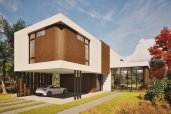
Buyers want modern, but softened. About 54% prefer modern or somewhat modern interiors, with “modern traditional” leading the pack. On the exterior, Craftsman remains No. 1 nationally, with modern farmhouse close behind.
The key to pulling off modern? Commit to the glass. Strong indoor–outdoor connections require large openings, not small, traditional windows.
4. Strong Indoor–Outdoor Connections
Smart outdoor design is replacing yard size. Seventy-two percent of buyers would accept a 15-foot—or smaller—yard if it’s designed for entertaining. Covered porches and social front porches resonate strongly. About 60% would pay a $10,000 premium for large sliding or retractable glass doors.
5. Storage Features
Organization is now a must-have, not a bonus. Roughly 72% want super pantries, and nearly half show interest in butler’s pantries. Around 60% would pay an additional $10,000 for larger, better-organized laundry or utility rooms—the new “back office” of the house. Drop zones remain popular, and more than 60% would spend extra on bonus flex storage or attic-office spaces.
6. Pet-Centric Designs
With more households owning pets than having children, the floor plan is shifting. About 44% would pay for a dedicated pet wash, and roughly 55% are interested in built-in feeding stations, nooks, or under-stair kennels. Even simple touches like hot/cold exterior hose hookups deliver strong perceived value at low cost.
7. Emotional “Wows”
With many owners holding sub-5% interest rates, the bar to move is high. Around 72% respond positively to steam or sauna concepts. Bonus spaces, such as attic playrooms, converted garage hangouts, man caves, create emotional pull. These features don’t just add function; they create the story that makes leaving a current home feel worthwhile.
8. Kitchen Upgrades
The kitchen remains the decision-maker. Fifty-seven percent want built-in appliance packages, and 27% would pay more for a gourmet upgrade. Super pantries and service kitchens are expanding across price points. White cabinets remain the top choice, especially in modern-traditional blends. Quartz leads in countertops, though softer-toned granite is quietly resurging.
9. Focal Fireplaces
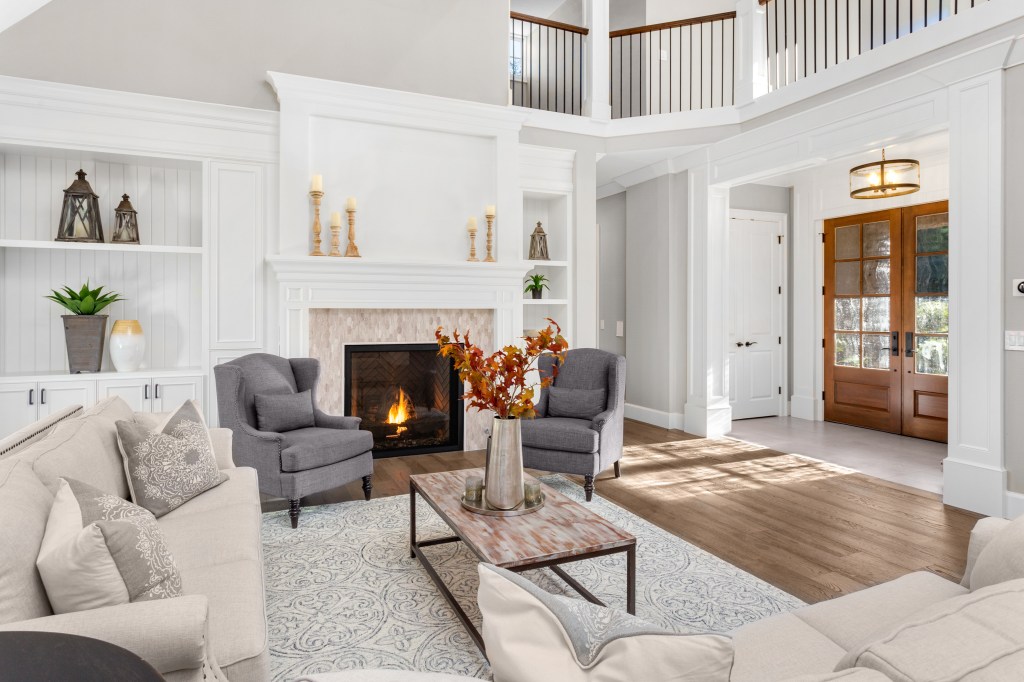
What many builders removed, buyers still want. About 73% say they want a fireplace. Modern linear styles that work with TVs and contemporary interiors are leading. Today’s fireplace is as much about emotional focal point as heat output.
10. Wellness Bathrooms
Spa vibes sell. About half of buyers want a tub in the primary suite and are willing to pay for it, with freestanding tubs leading preferences. Steam showers, saunas, and spa-inspired layouts are strong emotional drivers, especially among move-up buyers and active retirees.
11. Garage Spaces
The garage is evolving beyond car storage. While two-car garages remain the default, about 32% want three-car layouts. Many buyers are willing to trade a bay for a workshop, rec space, or hangout room. RV garages remain niche, about 4%, but interest spikes in certain markets.
12. Street Appeal
Around 70% want diversity on the street, either varied architecture or varied color palettes. About half still prefer white exteriors, with materials and texture providing distinction. Clean rooflines and selective detailing help keep costs in check while maintaining curb appeal.
13. Future-Proofing
About 50% would like EV charging pre-wired. Low-cost, future-ready touches, like flexible mechanical planning and smart pre-wiring, position homes as forward-thinking without heavy upfront expense.