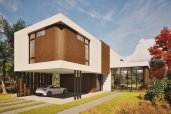
It’s just nature’s way—everything ages and breaks down. That process isn’t confined to living things, it also applies to houses and neighborhoods. But while we can only do so much about our own increasingly decrepit bodies, we can make houses and neighborhoods better than new. And that represents a great opportunity for custom home professionals who are brave enough to take on the challenges of building in established close-in neighborhoods.
Builders who work in older areas can encounter some daunting obstacles. Height and setback restrictions mean you may not be able to deliver a house that is as big as your clients want. Existing tree covenants can make parts of a lot untouchable. Earth work, materials staging, even parking can supply occasional and daily headaches.
But none of those are necessarily the biggest problem you’ll face. That would be the neighbors. They don’t want to be awakened by the noise of hammers and saws at 7 a.m. The nail in their tire must have come from your project, so you should buy them a new one. Your crew is taking up too many parking spots. If you’re lucky, these easily handled complaints will be all you’ll have to deal with. Bigger conflicts include privacy and view issues, water runoff and drainage problems, and size and style disputes.
So, if there are so many potential impediments, why bother working in these neighborhoods? Here are a few good reasons:
Land. While they’re scattered and usually have an existing house sitting on them, building sites in established neighborhoods are almost always in the kind of prime location well-heeled clients want. You may have to add renovation to your portfolio of services, but that’s also a good way to diversify your company.
Safety. If you work in a market where luxury production builders are seeking to increase market share, heading for town can put you out of harm’s way. The high cost and scattered nature of lots in established neighborhoods should keep the big guns at bay—at least for a while.
Profitability. It’s more difficult and expensive to work in urbanized areas, and you should be able to charge for that. Your clients are more likely to be motivated by quality, not price, and have the financial strength to pay for it.
Satisfaction. Building a custom home in any kind of location improves the lives of the owners. But replacing or renovating a substandard home in an established area can improve the life of the neighborhood and the larger community.
In this issue, you’ll find more on the challenges and satisfactions of building in close-in neighborhoods in “Filling In”, Meghan Drueding explores three infill projects and passes along the hard-won wisdom of the pros who built them, all accomplished at leaving established neighborhoods better than they found them.