“This stuff scares the hell out of me.” That was the reaction of engineer Walter Schneider, with John Haas Associates in State College, Pa., after stepping through a piece of Plyform panel on a jobsite. Closer inspection of the material showed that it was made from inferior, juvenile heartwood, lacking the required strength and durability to meet U.S. building codes.
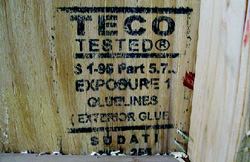
The APA—The Engineered Wood Association—has put out an all-points bulletin, warning builders to look carefully at their panel purchases. Fraudulent certification stamps such as the one shown here have been found on panels in various states. The APA says it has identified fraudulent panels from Chile, Brazil, the Dominican Republic, and China, although identifying individual companies responsible is very difficult, because of the circuitous route taken by pallets of panels. What’s not hard to spot is the quality difference in cheap panels. If you encounter panels that seem to break easily or contain many repeating patterns with lines of vertical knots, take a closer look.
Because panel-manufacturing standards are voluntary, there’s no agency with authority to police product quality. Instead, the risk falls upon dealers, architects, builders, and their crews. If you’re not sure whether a label might be fake, the APA has a help line at 253-620-7400. They may ask you to send in a photo of the suspicious label.